
Emotional Intelligence
The Biometric Revolution Reshaping Entertainment


Image Credit - Freepik
In the intricate landscape of digital media evolution, subtle signals often reveal profound shifts beneath surface observations. LG's integration of Zenapse's emotion sensing technology into their televisions represents more than another smart TV feature; it signals the acceleration of a transformation I've been forecasting: the emergence of bioresponsive entertainment ecosystems where content adapts to our emotional states in real time.
The Signal in the Noise
The technology itself appears deceptively simple: cameras and sensors in LG's televisions track facial expressions and physiological markers, generating emotional data that currently serves advertising targeting. But viewing this development through a strategic foresight lens reveals something far more significant. We're witnessing the mainstream adoption of biometric feedback loops in entertainment, years ahead of conventional market projections.
This accelerated timeline parallels patterns observed in other immersive technologies. From COSM's near real time sports viewing experiences to Broadway's experimentation with responsive performances, the evidence suggests we're entering a new phase of entertainment evolution where boundaries between content and consumer dissolve.
As I explored in "From Stage to Immersion," the theatrical world already demonstrates this transformation. Productions like the pending "Phantom of the Opera" and "The Witness" have reimagined the audience relationship, creating responsive environments that adapt to participant behavior. These experiences herald a future where passive consumption gives way to dynamic co creation.
The Evolution of Emotional Metrics
The current implementation by LG and Zenapse represents an important first step: integrating emotional analysis into familiar advertising frameworks that the market already understands. This approach creates an adoption bridge between current practices and future possibilities.
As the technology matures and consumers become more comfortable with biometric feedback, we'll likely see increasingly sophisticated applications emerge that leverage these rich emotional datasets beyond traditional targeting variables.
Companies establishing themselves now in the emotional analysis space are positioning themselves to lead this evolution toward more nuanced biometric experiences, potentially transforming how we measure engagement from simplistic viewership metrics to complex emotional response patterns.
The Convergence Catalyst
This development exists at the nexus where multiple Industry 4.0 technologies intersect: artificial intelligence, Internet of Things, cloud computing, and biometric analysis. The LG/Zenapse partnership exemplifies how physical, digital, and virtual worlds are colliding to create intelligent, responsive systems that adapt to human behavior and emotion.
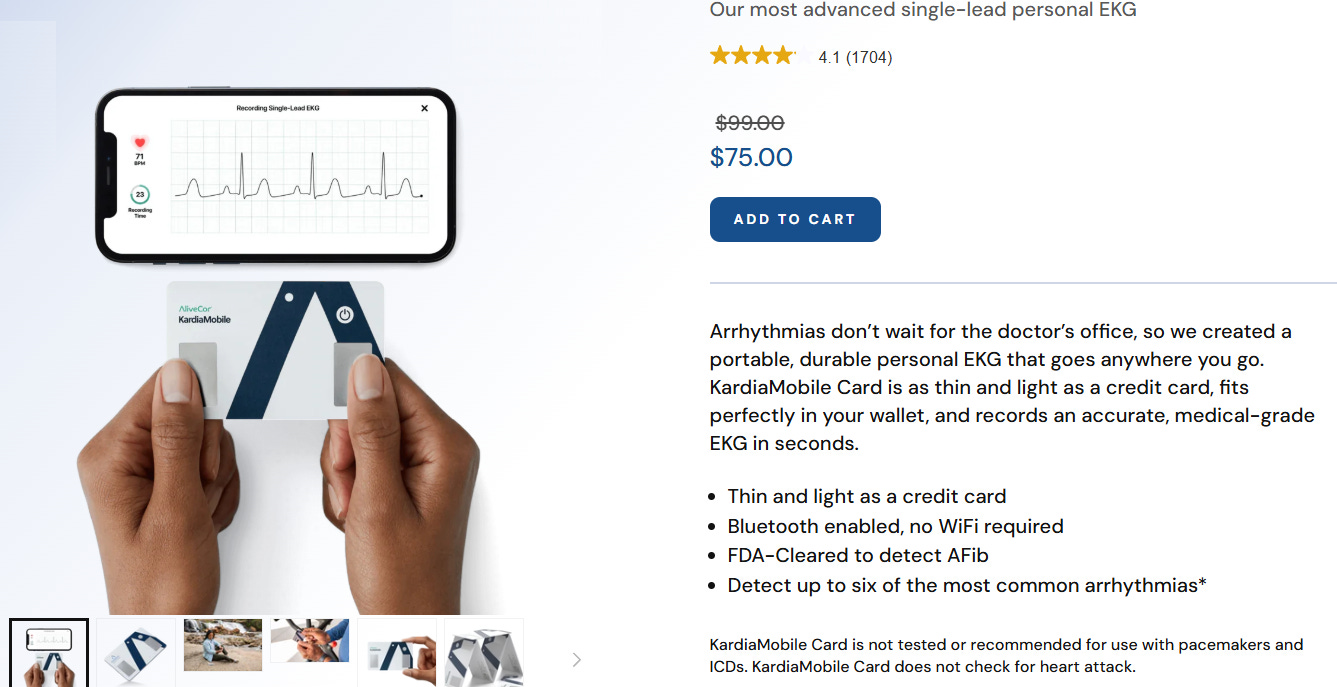
Consider parallel developments in adjacent spaces, like the KardiaMobile personal EKG device that fits in a wallet and captures medical grade heart data in seconds. These micro diagnostic tools, alongside emotion sensing displays, neural interface prototypes, and haptic feedback systems, are creating the foundational infrastructure for fully immersive experiences.
Business Implications and Strategic Opportunities
For entertainment and media executives, this acceleration demands strategic recalibration. Content creation must optimize for emotional engagement, not just viewership numbers. Distribution platforms need to develop emotional data infrastructure. Traditional media companies face potential disruption if they don't adapt to these biometrically enhanced expectations.
Netflix CEO Ted Sarandos recently commented that traditional movie theaters feel increasingly "outdated." This perspective makes sense through the lens of emotional engagement. If modern audiences crave personalized, responsive experiences, static environments will struggle to compete with adaptive ones that respond to emotional states.
Organizations seeking competitive advantage must consider how technologies like IoT sensors, 5G connectivity, edge computing, and cloud infrastructure will integrate with biometric data collection to create seamless, responsive entertainment environments. These technologies form the backbone of what is being called "Living Intelligence" systems: adaptive environments that learn from and respond to human presence.
Plus, the $84.4 trillion wealth transfer (link to request white paper) to digital natives further amplifies this trend. These consumers, with neural pathways optimized for digital immersion, expect environments that respond intuitively to their presence and emotions.
Companies that recognize this shift early will capture disproportionate value as the market evolves.
Organizational Readiness: Talent and Capability Gaps
The integration of emotional intelligence into entertainment systems requires not just technological infrastructure but human capability transformation. Organizations face significant talent gaps as they attempt to bridge conventional media production with biometric responsiveness.
A comprehensive Digital Reality Readiness Assessment must evaluate:
Talent Architecture: Conventional media organizations typically lack specialized expertise in biometric data analysis, emotional intelligence algorithms, and adaptive content design. The gap between traditional creative talent and these emerging technical domains represents a significant organizational vulnerability.
Cross Functional Fluency: Success in bioresponsive entertainment requires unprecedented collaboration between data scientists, content creators, and experience designers. Organizations structured around rigid departmental boundaries will struggle to cultivate the fluid interdisciplinary environments where innovation thrives.
Ethical Frameworks: As entertainment systems become more responsive to emotional states, organizations need robust ethical guidelines and governance structures. Many companies lack the foundational capability to navigate privacy considerations, emotional manipulation concerns, and algorithmic bias that accompanies biometric integration.
Forward thinking organizations should conduct capability mapping exercises that inventory existing expertise against emerging requirements. This assessment reveals strategic gaps requiring immediate investment, whether through talent acquisition, partnership ecosystems, or targeted upskilling initiatives.
The most successful companies will develop integrated talent strategies that blend technological expertise with creative vision. This means investing in data scientists who understand storytelling principles and creative directors who grasp algorithmic potential, a new generation of hybrid talent capable of traversing disciplinary boundaries.
The Horizon View
What comes next? The pioneering applications we're seeing today merely hint at future possibilities. Imagine entertainment content that adapts its narrative arc based on audience emotional response. Consider therapeutic experiences that adjust to stress indicators in real time. Envision educational content that recognizes confusion and adapts its teaching approach accordingly.
The critical insight isn't just that emotional sensing technology exists; it's becoming a foundational layer for next generation experiences rather than just a novel feature. LG and Zenapse aren't simply adding another datapoint to advertising metrics; they're participating in the early construction of an entirely new paradigm for human content interaction.
For organizations seeking to position themselves advantageously in this evolving landscape, developing a Digital Reality Readiness assessment becomes essential: evaluating capabilities, infrastructure, and strategic alignment for biometrically enhanced experiences.
The future of entertainment isn't just what we watch; it's what watches us back, understands our emotional states, and adapts accordingly. That future is arriving faster than many anticipated, and it's not waiting for anyone to catch up.